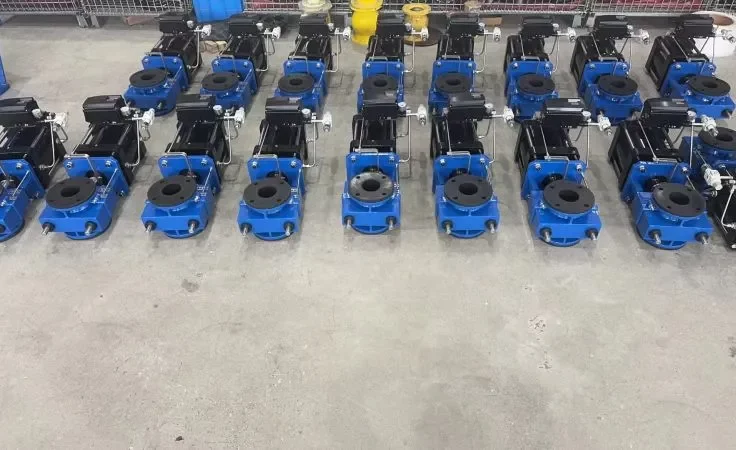
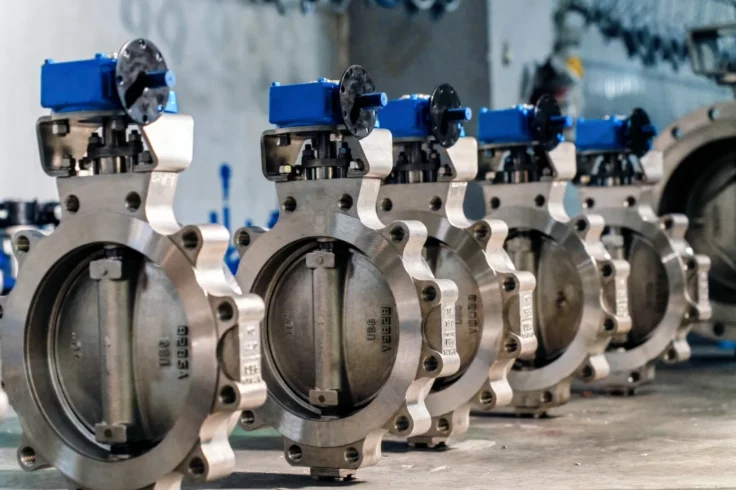
At first glance, a butterfly valve may seem like a simple device. However, its reliability and durability in demanding industrial conditions depend on many factors: engineering decisions, manufacturing precision, and thorough quality control at every stage of production.
Why Is Quality Manufacturing Critical for Butterfly Valves?
The production process starts long before final assembly. Every step—from machining parts to applying protective coatings—affects key characteristics:
- Seal tightness;
- Stability of operating torque;
- Durability of protective coatings;
- Overall service life;
- Reliable performance in real industrial environments.
Key Stages and Quality Control
At our plant, we pay special attention to:
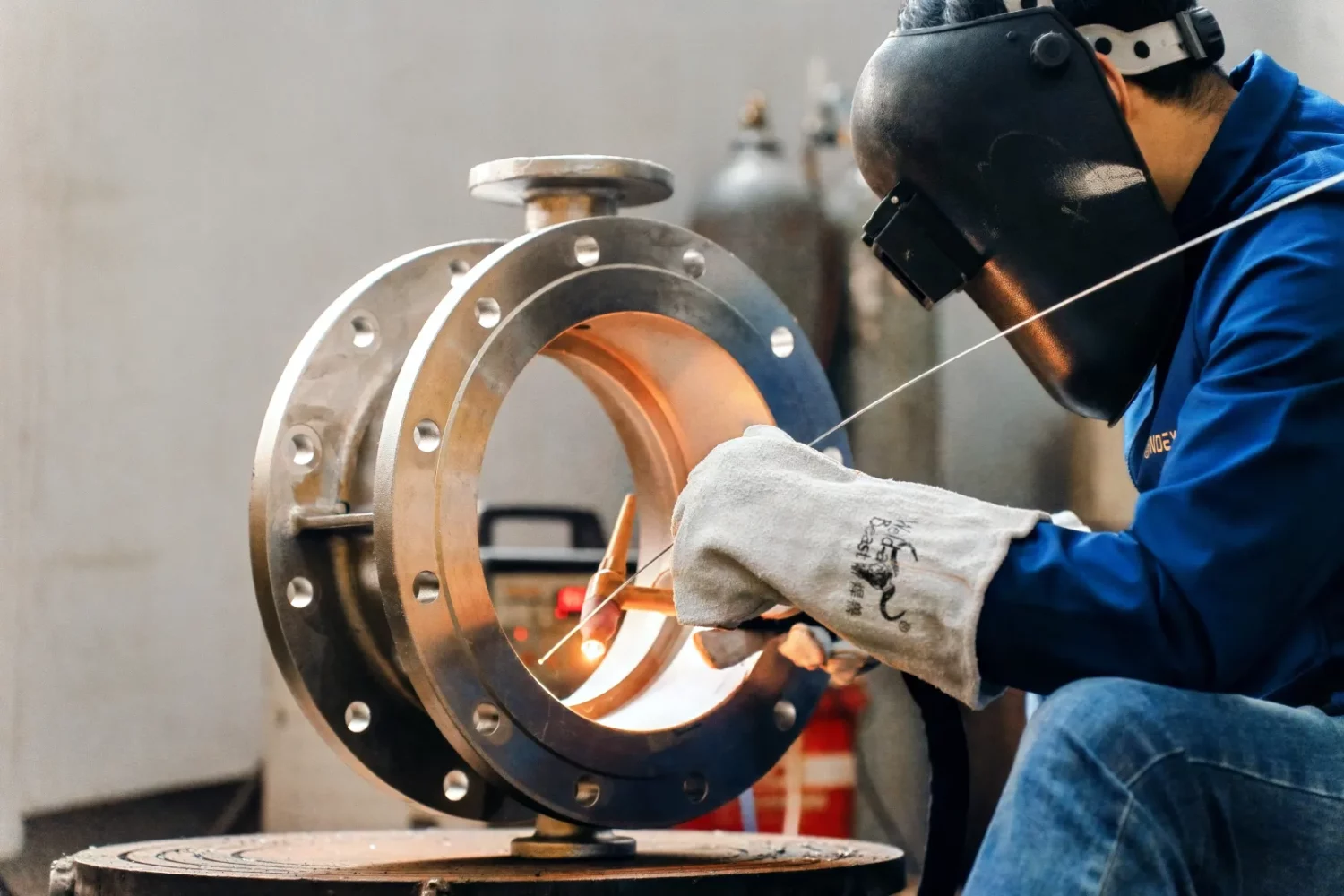
- Precision machining of the body and disc. Even minor deviations can cause poor sealing and leaks.
- Quality and accuracy of seat (seal ring) fitting. Proper seating ensures tightness and reduces wear.
- Shaft alignment. Misalignment leads to vibration and premature wear.
- Protective coating. It must resist corrosion and abrasion while maintaining integrity over time.
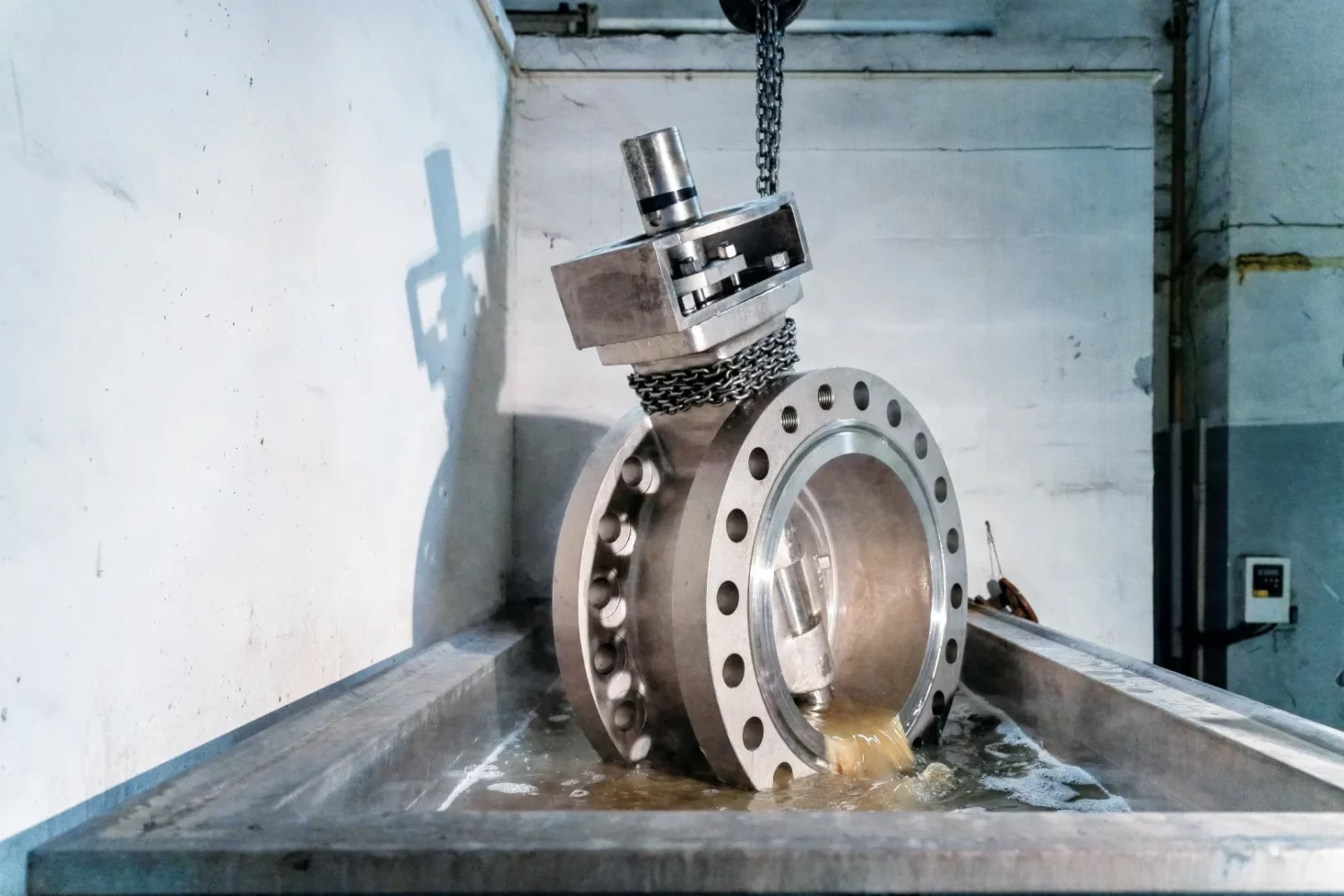
- Hydrostatic and tightness testing. Each valve undergoes inspection to eliminate leaks and defects.
- Ensuring stable operating torque. This guarantees smooth and reliable valve operation.
Why Is Precision Important at Every Stage?
Small errors in manufacturing or assembly can cause:
- Leaks and loss of tightness;
- Unstable closing and vibrations;
- Accelerated wear of sealing elements;
- Malfunction of actuators.
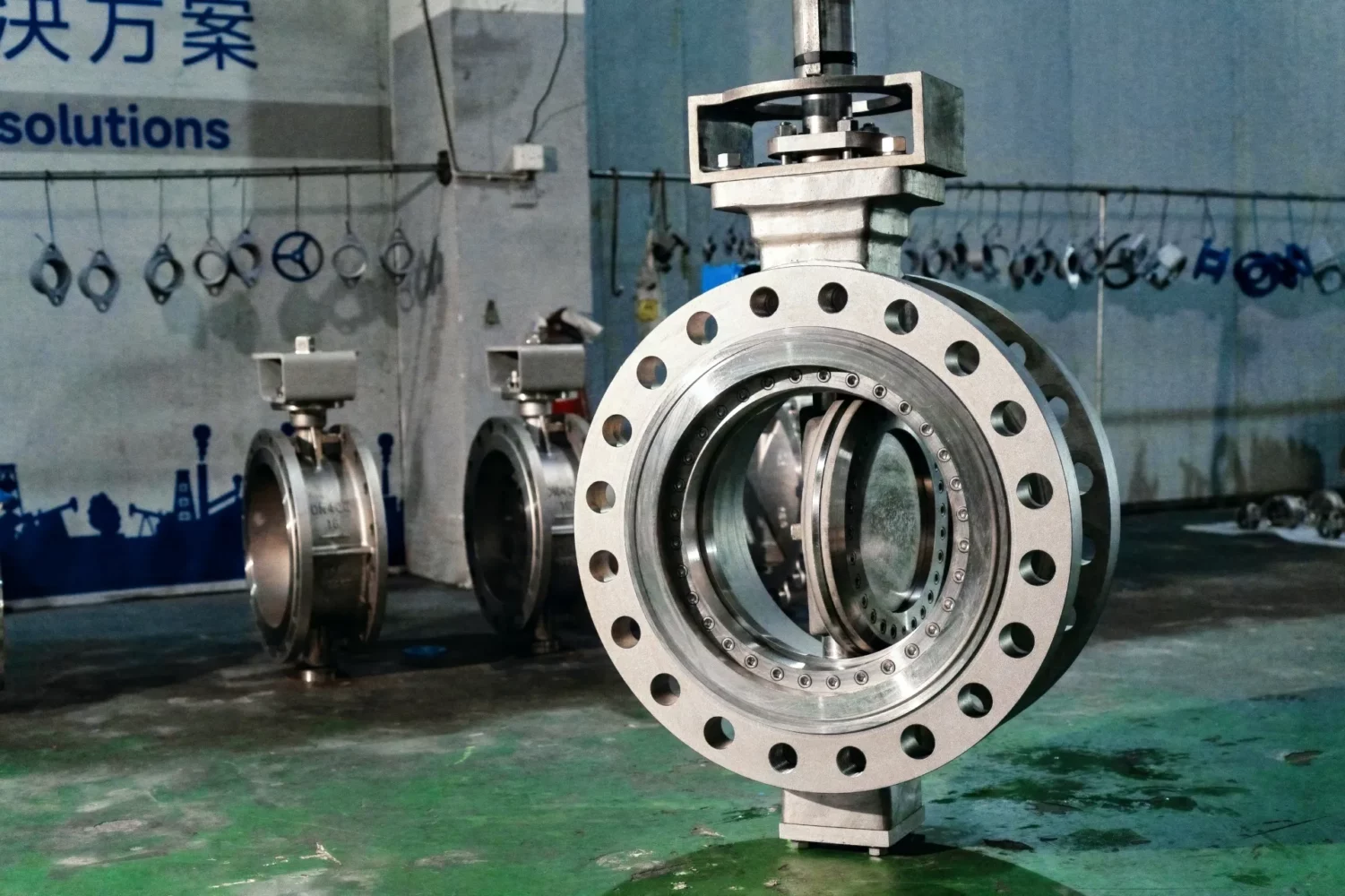
This is especially critical for large-diameter valves and harsh industrial applications where equipment reliability directly impacts safety and efficiency.
Our Manufacturing Approach
At Zondex, we don’t just produce butterfly valves — we ensure their stable performance in real operating conditions by:
- Using high-precision equipment;
- Applying quality materials and modern coatings;
- Conducting thorough quality control at all stages;
- Performing mandatory testing before shipment.
Reliability Is the Result of Engineering, Not Marketing
For engineers and maintenance teams, reliability means reduced downtime, predictable operation, and lower repair costs. These depend on product quality and proper use.
Common Operational Issues with Butterfly Valves
- Seat and seal wear;
- Leakage;
- Actuator failures;
- Damage to protective coatings.
Our specialists are ready to help select valves tailored to your production specifics to minimize these risks.
Conclusion
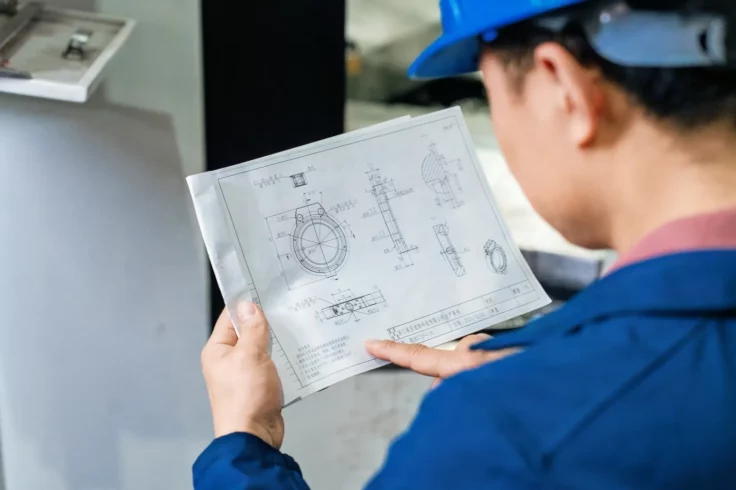
A reliable butterfly valve results from an integrated approach: precise engineering, accurate manufacturing, and strict quality control. If you need equipment capable of handling heavy industrial loads and operating without failures, contact us. We provide supply and support of valves that meet high industrial standards.