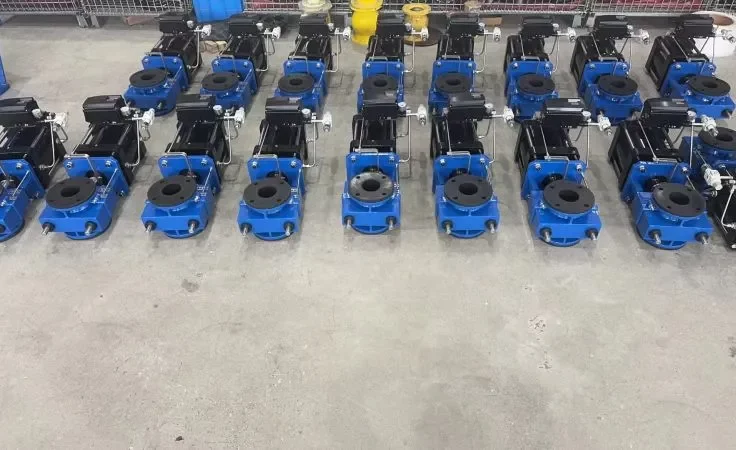
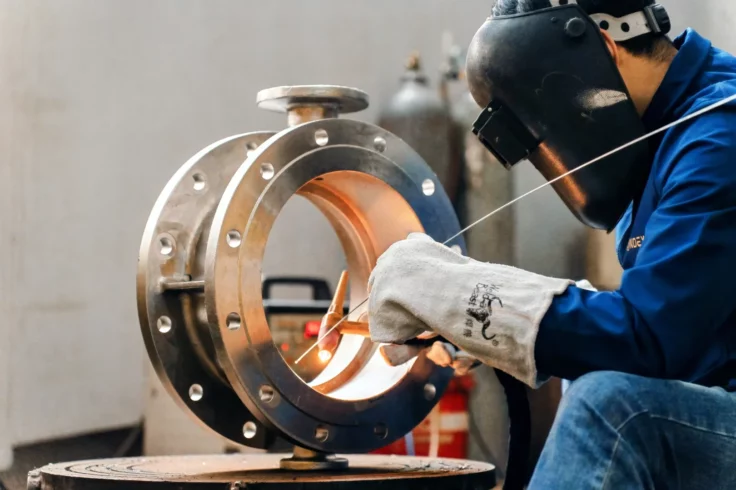
Choosing the wrong pipeline valve often leads to frequent downtime, accelerated wear, and high maintenance costs. One common engineering mistake we see is installing butterfly valves where knife gate valves would be more appropriate.
Common Problems of Butterfly Valves in Abrasive and Slurry Environments
When used in abrasive or slurry conditions, butterfly valves often face:
- Seat wear;
- Leakage;
- Disc damage;
- Actuator overload;
- Frequent maintenance;
- Unplanned production shutdowns.
These issues reduce productivity and increase expenses.
Where Butterfly Valves Work Best
- Clean water;
- Utility systems;
- Heating, ventilation, and air conditioning (HVAC);
- Low-viscosity liquids;
- Large-diameter pipelines;
- Applications requiring compact and lightweight valves.
Advantages of Butterfly Valves
- Lower cost in large sizes;
- Fast operation;
- Compact installation;
- Easy automation;
- Low torque requirements.
Limitations of Butterfly Valves
They are not recommended for:
- Slurry;
- Abrasive media;
- Media with high solid content;
- Coarse, heavy materials.
In such conditions, the disc and seat wear quickly, reducing sealing performance and valve lifespan.
Where Knife Gate Valves Are Most Effective
Knife gate valves are designed for:
- Slurry;
- Mining;
- Pulp and paper industry;
- Wastewater sludge;
- Gold mining systems;
- Cement industry;
- Viscous and abrasive media.
Main Advantages of Knife Gate Valves
- High reliability with solids;
- Reduced clogging risk;
- Lower wear in slurry systems;
- More reliable shut-off in challenging media;
- Longer service life in abrasive conditions.
Important
Knife gate valves are primarily isolation valves, not precise flow control devices.
Zondex Engineers’ Recommendations
Use butterfly valves when:
- The medium is clean;
- Solid content is minimal;
- Abrasive wear risk is low;
- Large pipeline diameters are required.
Use knife gate valves when:
- The process contains slurry or large particles;
- Abrasive wear is high;
- Buildup and deposits are likely;
- Reliability in harsh conditions is critical.
Real Costs Are Not Valve Price But Downtime and Repairs
In industrial systems, costs related to downtime, maintenance, and production losses usually far exceed the valve price itself.
The right valve choice helps reduce:
- Maintenance frequency;
- Spare parts consumption;
- Risks of unplanned shutdowns;
- Total operating expenses.
Engineering selection should always consider the real process conditions, not just initial equipment cost.
Conclusion
Choosing between knife gate valves and butterfly valves requires an in-depth understanding of operating conditions and medium characteristics. We are ready to help you select the right valve to ensure reliability, longevity, and maintenance savings.